

Kensington council rules for bulky rubbish disposal
Posted on 21/10/2026
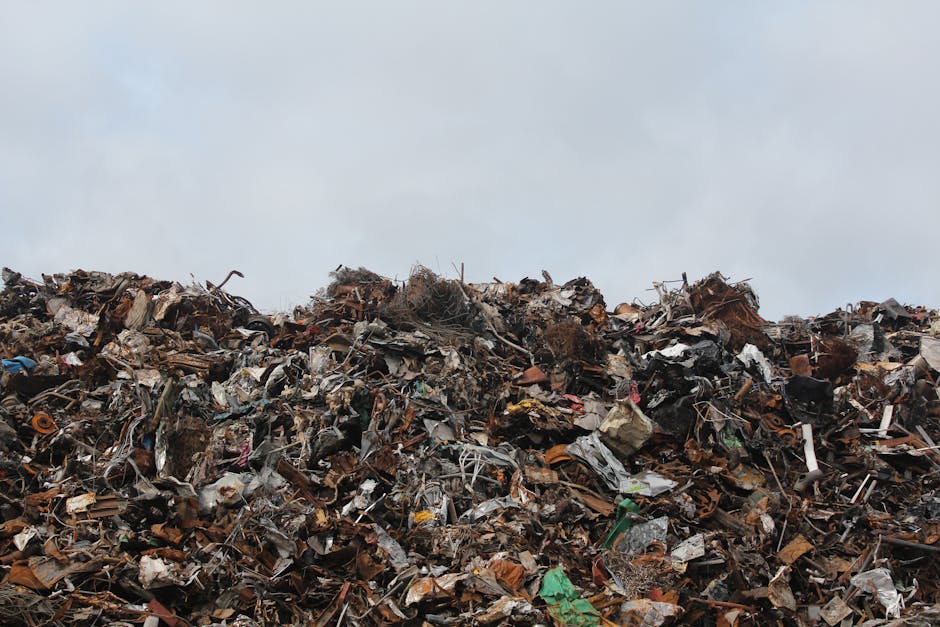
Kensington council rules for bulky rubbish disposal: a practical local guide
If you are trying to work out Kensington council rules for bulky rubbish disposal, you are probably dealing with one of those jobs that looks simple until it isn't. A sofa that will not fit through the stairwell. A broken wardrobe waiting in the hall. A mattress you have been meaning to get rid of for weeks. It all adds up fast, and if you live in Kensington, the rules and expectations around bulky waste matter more than people sometimes realise.
Used properly, the council route can be straightforward. But there are limits, booking steps, collection conditions, and practical realities around access, item type, and timing. This guide walks you through what bulky rubbish disposal means in everyday terms, how the process usually works in Kensington, where people go wrong, and when a private collection may be the better fit. No fluff. Just the stuff you actually need.
Contents
- Why Kensington council rules for bulky rubbish disposal matters
- How Kensington council rules for bulky rubbish disposal works
- Key benefits and practical advantages
- Who this is for and when it makes sense
- Step-by-step guidance
- Expert tips for better results
- Common mistakes to avoid
- Tools, resources and recommendations
- Law, compliance, standards, or best practice
- Options, methods, or comparison table
- Case study or real-world example
- Practical checklist
- Conclusion
- Frequently asked questions
Why Kensington council rules for bulky rubbish disposal Matters
Bulky waste is not the same as everyday bin waste. A broken table, a wardrobe, an old mattress, or a heavy TV unit can block corridors, create fire safety issues in shared buildings, and become a nuisance very quickly if left in communal areas. In a dense part of London like Kensington, that matters even more because space is tight and access can be awkward.
There is also the simple matter of responsibility. If you leave items out in the wrong way, or dump them without checking the correct route, you can cause problems for neighbours, cleaners, building managers, and sometimes yourself. Nobody wants to be that person whose old armchair sits in the hall for three days because the plan was a bit vague. We have all seen it happen.
Understanding the rules helps you decide whether to book a council collection, arrange a private clearance, or split items into different disposal streams. That can save time, avoid rejected collections, and reduce the chance of a last-minute scramble on a rainy Tuesday morning when the lift is full and the hallway smells faintly of damp cardboard.
How Kensington council rules for bulky rubbish disposal Works
The council approach to bulky rubbish disposal usually follows a fairly standard pattern: you identify the items, check what can be accepted, book a collection or use an approved route, and place the items where and when instructed. The exact details can vary, so it is always worth checking the latest local instructions before you move anything to the pavement.
In practice, bulky waste rules often cover items such as sofas, chairs, mattresses, tables, wardrobes, and other large household goods. However, not everything large is automatically accepted. Some items may need special handling, particularly if they contain electrical parts, hazardous components, or materials that require separate treatment.
Here is the key point: bulky waste collections are usually designed for domestic household items, not a full flat clearance or builders' waste. If you are clearing a whole property after a tenancy ends, or you have mixed waste from renovations, you may need a broader service. That is where something like a dedicated house clearance in Kensington or builders waste disposal in Kensington can be more suitable.
Booking mechanics can also vary. Some council-style services require advance scheduling, item limits, and clearly defined placement instructions. Others may have specific collection days or restrictions on where items can be left. If your building has narrow stairs, a small front entrance, or no direct street access, that can affect what is possible. Truth be told, access is often the real issue, not the waste itself.
For residents who want a broader overview of disposal options, the main services overview can help you compare what each type of clearance is designed for.
Key Benefits and Practical Advantages
Getting bulky rubbish disposal right is not just about getting rid of stuff. It has a few practical upsides that are easy to overlook when you are standing in a cluttered room trying to decide whether the old bed base is still "technically fine".
- Less stress: you know what can go, when it can go, and what needs to be separated.
- Better space management: shared hallways, gardens, and storage areas stay clear.
- Lower risk of rejected collection: fewer surprises means fewer delays.
- Cleaner recycling outcomes: separating suitable materials can improve reuse and recycling opportunities.
- Safer handling: heavy items are less likely to cause injury or damage when there is a proper plan.
There is also a budgeting benefit. If you know whether your job is a single-item pickup, a partial clearance, or a full property emptying, you are in a much better position to choose the right option. That matters because a wrong-sized service often costs more in time, and sometimes in money too.
For items that are still in usable condition, it may be worth thinking beyond disposal alone. Sometimes furniture can be removed as part of a wider room clear-out, especially if you are replacing a few key pieces. A specialist furniture disposal service in Kensington can be a good fit when the main challenge is bulky household items rather than mixed waste.
Who This Is For and When It Makes Sense
This guide is for anyone in Kensington dealing with large household items that cannot go into normal bins. That includes renters, homeowners, landlords, letting agents, and property managers. It also suits people handling a move, a refurbishment, a probate clearance, or a simple end-of-life furniture replacement.
It makes particular sense if:
- you have one or two large items, not a full van load;
- you want to understand the council route before booking anything;
- you live in a flat with awkward access or shared corridors;
- you need to clear bulky items quickly but want to keep things above board;
- you are weighing council collection against private rubbish removal.
If you are managing a larger clean-out, especially in a compact London property, the detail matters. Narrow streets, controlled access, parking restrictions, and staircases all affect how smoothly a collection can happen. And yes, sometimes the staircase wins. It happens.
For readers comparing broader rubbish removal choices, the page on rubbish collection in Kensington is a useful next stop.
Step-by-Step Guidance
If you want a clean process, treat bulky rubbish disposal like a small project. It does not have to be complicated, but it does need a bit of order.
- List the items. Write down exactly what needs to go. Include size, quantity, and whether anything is electrical, upholstered, or partly dismantled.
- Separate special items. Put aside anything that may need special handling, such as electrical goods, paint tins, or anything with sharp edges.
- Check the collection route. Confirm whether the item is eligible under the relevant bulky waste process and whether there are limits on number or type.
- Measure access. Check stair widths, lift size, doorway clearance, and any parking or loading constraints. A quick tape measure can save a lot of grief.
- Book or schedule properly. Arrange the service and note any placement instructions carefully.
- Move items only as instructed. Don't leave them in a corridor, garden, or pavement area unless you have been told that is acceptable.
- Prepare for collection day. Make sure the route is clear and the items are easy to access.
A small tip that helps more than people expect: take a photo of the items before collection day. It is a simple record of what you arranged, especially if you are dealing with a tenant move-out or a shared building and want to avoid confusion later.
If your job involves a whole flat or several rooms, you may also want to look at loft clearance in Kensington or office clearance in Kensington if the waste is coming from a non-domestic space. The right service makes everything less painful. Simple as that.
Expert Tips for Better Results
There are a few habits that make bulky waste removal smoother, especially in older Kensington buildings where access can be tight and noise carries farther than you might expect.
- Disassemble where sensible: removing legs, doors, or shelves can make collection easier and safer.
- Keep items dry: wet mattresses and soaked cardboard are harder to handle and may create extra issues.
- Group similar items together: furniture, textiles, and electricals are easier to process when separated.
- Check building rules: some blocks have their own waste storage rules, and those can be just as important as council guidance.
- Plan around busy periods: moves, refurbishments, and end-of-tenancy dates can create bottlenecks.
One thing we often notice is that people underestimate the time needed to clear a single awkward item. A sofa that looks manageable in the lounge can suddenly feel enormous on the landing. Different story then, isn't it? The solution is usually not more muscle. It is better planning and the right collection method.
If speed matters, you may want to compare services and turnaround times carefully. The article on same-day rubbish collection prices in Kensington can help you think through that trade-off. And if you are trying to move quickly, the guide on last-minute rubbish booking tips is worth a look too.

Common Mistakes to Avoid
Most bulky waste problems come from a handful of avoidable mistakes. None of them are dramatic on their own, but together they cause delay after delay.
- Leaving items out too early: this can create obstruction, complaints, or collection refusal.
- Mixing waste types: bulky household rubbish is not the same as construction debris or garden waste.
- Forgetting access issues: a service cannot collect an item safely if the route is too tight or blocked.
- Assuming everything is accepted: rules around fridges, TVs, batteries, and upholstered items may differ.
- Not checking the building situation: shared entrances and concierge rules can change what is practical.
There is a reason people sometimes get caught out in Kensington flats specifically. A small hallway, a narrow staircase, and a large wardrobe is a bad combination. You don't need a disaster, just a door that opens the wrong way and suddenly the whole plan is off.
For more on common access-related issues, the article about flat rubbish collection problems in W8 is especially relevant. If access is tricky, blocked access and narrow street challenges in Kensington is also worth reading.
Tools, Resources and Recommendations
You do not need specialist kit for most domestic bulky waste jobs, but a few basic tools can make the process smoother and safer.
- Measuring tape: useful for doors, lifts, stairwells, and awkward furniture dimensions.
- Marker pen or labels: handy if you are sorting items for different disposal routes.
- Protective gloves: good for splinters, sharp staples, and dirty edges.
- Furniture straps or a sack truck: useful for moving heavier items short distances.
- Bin bags and boxes: for loose contents, screws, and dismantled components.
There are also a few website pages that can help with the wider decision-making process. If you are comparing costs, the pricing and quotes page is useful. If your concern is how waste is handled after collection, the recycling and sustainability page explains the broader approach in plain English. And if safety is top of mind, especially for heavier items or awkward removals, take a look at insurance and safety.
Those pages matter because bulky rubbish disposal is not just about removal. It is also about what happens next, how safely the work is carried out, and whether the route you choose fits your property and timeline.
Law, Compliance, Standards, or Best Practice
Bulky waste disposal sits within a wider framework of waste duty, property responsibility, and local collection rules. You do not need to become a legal expert to handle a sofa collection, but you do need to avoid careless disposal. Dumping items illegally, or putting them out in a way that breaches collection instructions, can lead to trouble.
Best practice in this area usually means:
- using an authorised collection route;
- separating waste streams where possible;
- not leaving bulky items where they obstruct shared areas;
- being honest about item type, quantity, and access;
- checking the latest local instructions before booking or setting items out.
In shared buildings, landlords, managing agents, and tenants may all have some role in waste handling. If you are unsure who is responsible, it is better to clarify early rather than later. The wrong assumption can turn a simple disposal into a back-and-forth that nobody enjoys. You know the sort of thing - one email, then three more, then a slightly awkward phone call.
For those who care about good practice beyond the immediate job, transparent terms and clear service information also help. The terms and conditions page and the about us page can give useful context about how a responsible clearance provider works.
Options, Methods, or Comparison Table
There is no single "best" way to deal with bulky rubbish. The right choice depends on the size of the job, access, urgency, and whether you want a full or partial removal. Here is a simple comparison to help you think it through.
| Option | Best for | Pros | Watch-outs |
|---|---|---|---|
| Council bulky waste route | One or a few household items | Simple for small jobs, familiar to residents | May have limits, booking steps, or restricted item types |
| Private bulky rubbish collection | Faster removal, awkward access, mixed household items | More flexible scheduling and lifting support | Costs can vary by volume, access, and item weight |
| House clearance | Whole rooms, flats, or estate-related clearances | Good for larger jobs and complex spaces | Can be more than you need for a single item |
| Furniture-specific removal | Sofas, beds, wardrobes, tables | Good fit for bulky home furniture | Less useful if your waste is mixed |
If your job is mainly furniture, the dedicated furniture disposal Kensington service may be the neatest solution. If the waste comes from a larger project, the broader waste clearance Kensington page is a better fit.
Case Study or Real-World Example
Here is a common Kensington scenario. A resident in a mansion block needs to dispose of an old three-seater sofa, a broken coffee table, and a mattress. On paper, that sounds like a small job. In real life, the lift is tiny, the communal corridor is narrow, and the front entrance has a time-restricted loading area.
The first attempt is usually to push everything out at once. That tends to end badly. Instead, the smarter approach is to measure the doorway, check whether the sofa can be split or disassembled, confirm what can be accepted, and arrange the collection in a way that keeps the hallway clear. If the building has awkward access, a private collection that includes lifting from inside the property can be much smoother than trying to drag items out into a shared space first.
That kind of planning saves embarrassment, but more importantly it saves time. In our experience, the jobs that go well are rarely the ones with the fanciest equipment. They are the ones where someone stopped for ten minutes, checked the access, and asked the boring questions before moving anything. Boring, yes. Effective, absolutely.
For related local situations, the guide on Kensington High Street rubbish removal and the piece on same-day rubbish collection in Earls Court are useful examples of how timing and location shape the job.
Practical Checklist
Use this before collection day. It is simple, but it catches most of the avoidable problems.
- Have I listed every bulky item clearly?
- Do any items need special handling or separate disposal?
- Have I checked the current local collection rules?
- Do I know where the items should be placed?
- Is the access route clear, measured, and safe?
- Have I confirmed any lift, stair, parking, or building restrictions?
- Can the items be dismantled to make removal easier?
- Have I separated recyclables, electrical items, or loose contents?
- Do I know what time the collection is expected?
- Have I kept a note or photo record of what is going out?
If you can tick all of that off, you are in good shape. If not, pause and fix the gaps first. A few minutes now can save a lot of hassle later.
Get a free quote today and see how much you can save.
Conclusion
Dealing with bulky rubbish in Kensington is usually manageable once you understand the rules, the access constraints, and the practical differences between council collection and private removal. The main thing is not to rush the decision. Identify the items, check what route makes sense, and plan around the realities of your building. That small bit of effort can make the whole process feel surprisingly smooth.
Whether you are clearing one awkward sofa or sorting a bigger flat clean-out, the best results come from clarity rather than guesswork. And honestly, that is true of most London household jobs. A little planning goes a long way.
Do it once, do it properly, and give yourself a bit of breathing room after. That feels better than staring at a pile of old furniture all week.
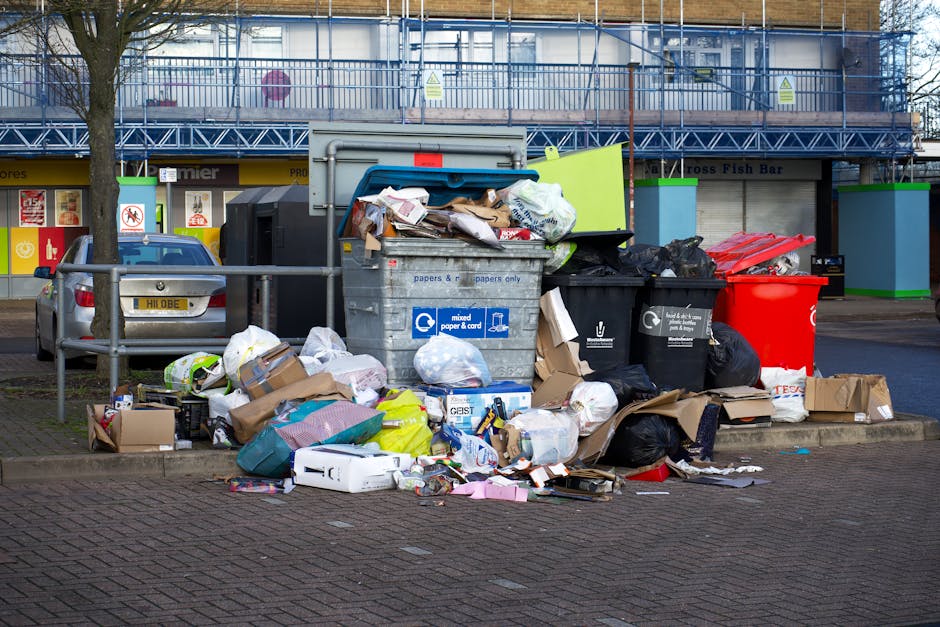
 Tipper Van - Rubbish Disposal and Waste Clearance Prices in Kensington, W8
 Luton Van - Rubbish Disposal and Waste Clearance Prices in Kensington, W8


